28 October 2026
Dental Implants and Oral Hygiene: Best Practices
Presented by @messiahwkhc733
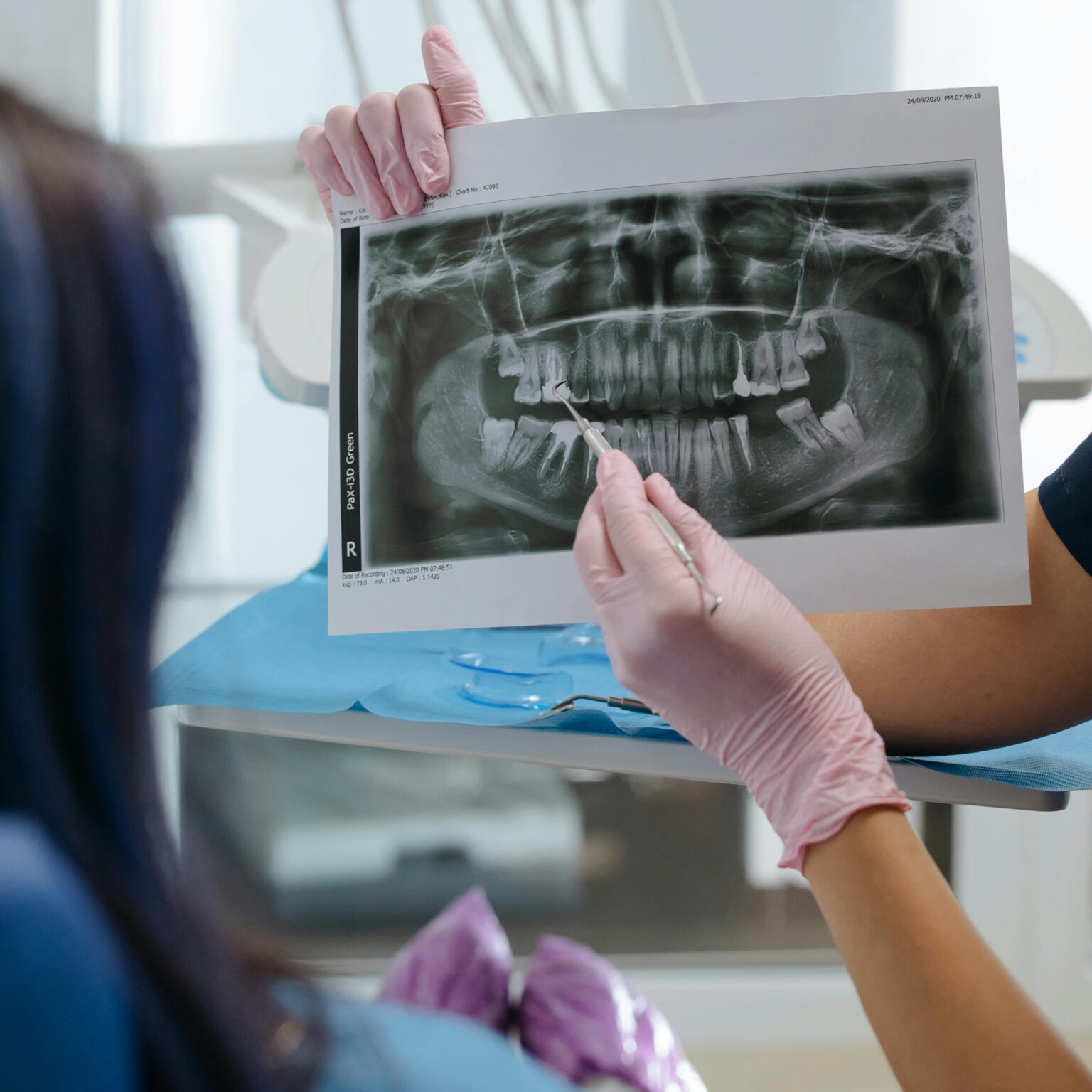

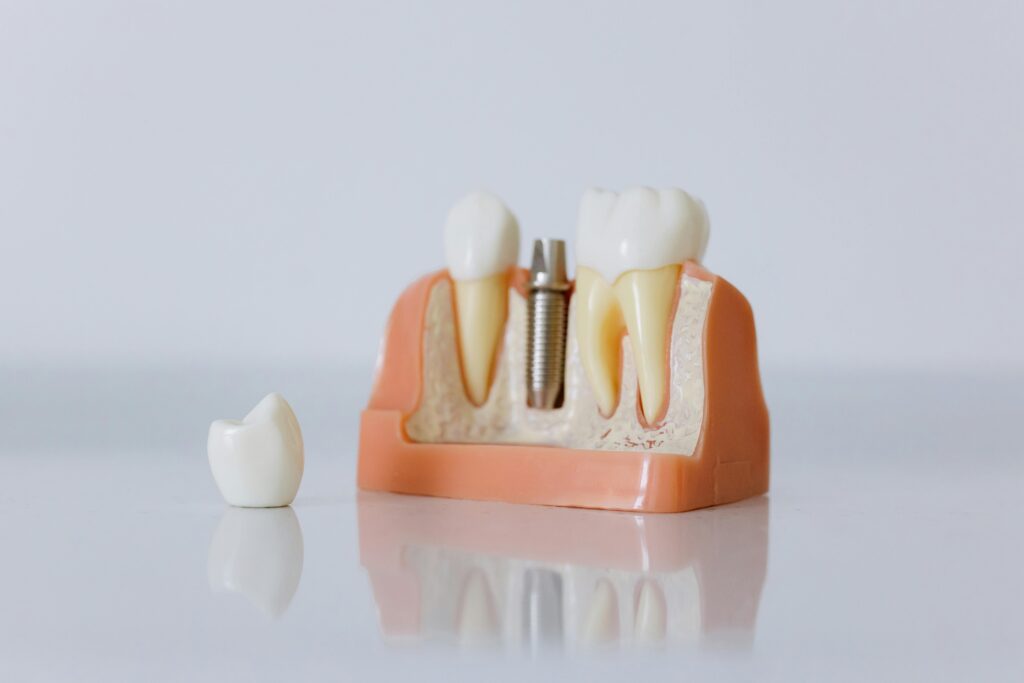
Dental implants have changed what is possible in restorative dentistry. For many patients, they offer the closest thing to getting a natural tooth back, both in function and appearance. They let people chew comfortably, speak clearly, and smile without the shifting or bulk that can come with removable appliances. Yet the long-term success of Dental Implants does not depend on the titanium post alone, or the skill of the surgeon, or even the quality of the crown. It depends, day after day, on oral hygiene.
That point sometimes surprises people. A dental implant cannot get a cavity, which leads some patients to assume it is almost maintenance-free. In practice, implants are durable, not invincible. The tissues around them can become inflamed. Bone can be lost if plaque is allowed to build up. A beautifully placed implant can fail early or many years later if the surrounding gum health is neglected. Good home care, paired with sensible professional maintenance, makes the difference between an implant that serves a patient well for decades and one that becomes a constant source of complications.
Why implant hygiene deserves special attention
Natural teeth and implants share the same mouth, but they are not attached to the body in quite the same way. A natural tooth is suspended in bone by the periodontal ligament, a living structure with blood supply, nerve fibers, and shock-absorbing function. An implant, by contrast, fuses directly to bone through osseointegration. That direct bond is what gives implants their stability, but it also means the soft tissue seal around an implant behaves differently from the seal around a natural tooth.
From a hygiene perspective, this matters because plaque can trigger inflammation around implants with less warning than many patients expect. Bleeding, puffiness, tenderness, or a slight bad taste may be the first signs. Some people feel no pain at all until the problem is advanced. In a busy clinical setting, I have seen patients care meticulously for the visible crown while missing the narrow groove at the gumline where plaque tends to settle. They often say the same thing: “It feels fine.” Sometimes it does, right up until the tissue starts breaking down.
The two broad inflammatory conditions clinicians watch for are peri-implant mucositis and peri-implantitis. Mucositis is inflammation confined to the soft tissue, and it can often be reversed when caught early. Peri-implantitis involves inflammation plus bone loss around the implant, and treatment becomes more complicated once bone support is affected. That is why prevention is not a vague recommendation. It is the central strategy.
The first months after implant placement
Oral hygiene around a new implant changes in stages. Immediately after surgery, the goal is not aggressive cleaning. It is protection, gentle plaque control, and uneventful healing. The exact instructions vary depending on whether the implant was placed alone, placed with a bone graft, or restored with a temporary tooth right away. Your own dentist or oral surgeon should always override general advice.
In the early healing phase, brushing may be limited near the surgical site for a short period. Patients are often asked to keep the area clean with prescribed rinses or gentle swabbing rather than direct scrubbing. This stage requires restraint. A patient who is diligent but heavy-handed can irritate the tissue just as easily as a patient who neglects it.
Once the surgeon clears normal brushing, the emphasis shifts quickly. The implant area should not be treated as too precious to touch forever. One of the most common mistakes after a successful surgery is continued avoidance. Patients baby the implant for months, plaque accumulates, and the surrounding tissue begins to look red or swollen. Gentle, consistent cleaning is far safer than chronic under-cleaning.
Daily care that actually protects Dental Implants
The basics are familiar, but small details matter more with implants than most people realize. Technique beats enthusiasm. A patient who brushes twice a day for two minutes with good angulation at the gumline will usually outperform someone who scrubs vigorously for ten.
A soft-bristled toothbrush is the standard starting point. Manual and electric brushes can both work well. For many implant patients, especially those with limited dexterity or multiple restorations, an oscillating electric brush helps remove plaque more consistently. The important part is to place the bristles where the crown meets the gum and let the brush do the work. Overbrushing with a hard hand does not make the implant cleaner. It just irritates tissue and can contribute to recession.
Cleaning between teeth is where implant care often succeeds Dental Implants or fails. Implants do not sit in isolation. If food packs between an implant crown and the adjacent tooth, or if plaque remains undisturbed under the contact area, inflammation follows. Floss can help, but it is not always the best tool for every implant design. Some restorations have contours that make floss awkward or ineffective. In those cases, interdental brushes, soft picks, or a water flosser may do a better job.
This is one area where customization matters. A single implant replacing a back molar needs a different approach from a full-arch fixed prosthesis. A patient with tight contacts and healthy papillae may do fine with floss. A patient with more open spaces often benefits from a correctly sized interdental brush. Too small, and it glides through without cleaning. Too large, and it traumatizes the tissue. Chairside coaching is worth more than a generic handout.
A strong everyday routine
- Brush twice daily with a soft toothbrush, focusing on the gumline around the implant crown.
- Clean between teeth or under the prosthesis once a day with the tool your dentist recommends, not just the one you happen to like best.
- Use a low-abrasive toothpaste, especially if you have porcelain restorations or exposed implant components.
- Rinse only if advised, particularly after recent surgery or if you have a history of inflammation.
- Check the area in good light every few days so you notice redness, trapped food, or bleeding early.
That last point is underrated. Patients often know their mouths better than anyone when they are taught what to watch for. Healthy tissue around an implant generally looks calm and firm. If the area starts looking shiny, puffy, or darker red than the surrounding gums, that change means something.
Choosing products wisely
Not every oral hygiene product marketed for “deep cleaning” is a good fit for implants. Abrasive toothpastes, especially some smokers’ formulas and whitening products, can be too harsh when used aggressively over time. They may scratch polished surfaces or contribute to wear on certain restorative materials. A standard fluoride toothpaste with low abrasiveness is usually a safer long-term choice, unless a dentist recommends otherwise.
Mouthrinses also deserve a little judgment. Antiseptic rinses can be useful in specific situations, such as immediately after surgery or during a short period of tissue inflammation. They are not magic. They do not replace mechanical plaque removal, and prolonged use of some formulations can cause staining, taste disturbance, or irritation. Patients who rely on mouthwash while skipping interdental cleaning are usually disappointed at their maintenance visits.
Water flossers are increasingly popular, and for many implant patients they are genuinely helpful. They are especially useful around bridges, implant-supported dentures, and areas where access is difficult. Still, they work best as an addition to brushing and not as a complete substitute for contact-point cleaning where plaque clings more tenaciously.
The role of professional maintenance
Even patients with excellent home care need periodic professional follow-up. The implant should be checked not just for cleanliness, but for the health of the surrounding gum tissue, the stability of the bone level on radiographs when indicated, and the integrity of the prosthetic components. A loose crown screw, a chipped porcelain surface, or a contact point that has opened slightly can create a hygiene trap long before the patient notices a serious problem.
Maintenance intervals depend on risk. Some patients do very well with six-month visits. Others benefit from three- or four-month intervals, especially if they have a history of periodontal disease, reduced dexterity, dry mouth, heavy tartar buildup, or multiple implants. There is no virtue in pretending one schedule suits everyone.
Professional cleanings around implants also require suitable instruments and technique. Clinicians typically use implant-safe tools and avoid rough instrumentation that could damage the implant surface or surrounding restoration. The objective is to disrupt deposits while preserving the implant environment. This is not a place for careless scraping.
I often advise patients to think of implant maintenance as part engineering check, part gum health assessment. The crown may look perfect from the front, but small issues often hide below the visible line. A few minutes of careful evaluation can prevent a much larger repair later.
Risk factors that make hygiene even more important
Some mouths demand more vigilance than others. Smoking remains one of the clearest risk factors for implant complications. It affects blood flow, healing, and the tissue response to plaque. Smokers can still receive implants, but the margin for neglect is smaller. The same is true for patients with uncontrolled diabetes, a history of advanced gum disease, or chronic dry mouth caused by medication or medical treatment.
Bruxism adds another layer. Grinding and clenching do not directly cause plaque buildup, but they increase stress on the implant system. If inflammation is already present, added mechanical overload can worsen the overall picture. Night guards, occlusal adjustments, and careful prosthetic design matter here, but so does keeping the tissues healthy enough to tolerate normal functional loads.
Diet also influences oral hygiene, though not always in obvious ways. Sticky foods, frequent snacking, and diets that leave fibrous material packed around posterior crowns can turn a manageable site into a constant trap. Patients with implant-supported full arches often need a learning period. Foods they can now chew comfortably may also be foods that wedge under the prosthesis. The answer is not avoidance forever, but learning how to clear those spaces consistently.
Common mistakes patients make
Many implant complications begin with small habits, not dramatic failures. The person who brushes well but never cleans between teeth. The person who skips maintenance because “nothing hurts.” The person who switches to an ultra-stiff brush after seeing a little bleeding, not realizing the bleeding reflects inflammation, not a lack of force.
Another frequent problem is using the wrong tool simply because it is familiar. Traditional string floss is excellent in some places and nearly useless in others. An implant bridge with broad connectors may require threaders, tufted brushes, or a water flosser to clean properly. Patients are often relieved when shown a simpler alternative, because the issue was not laziness. It was poor fit between the anatomy and the hygiene method.
Then there is the cosmetic trap. Some people focus heavily on keeping the visible crown bright while ignoring the biology underneath. Whitening toothpaste, polishing gadgets, and stain removal products get attention because they promise a noticeable result. Healthy tissue is less flashy, but it is what keeps the implant in the mouth.
Signs that deserve a prompt dental visit
Not every change means implant failure, but certain symptoms should not be brushed off. The earlier inflammation is addressed, the better the odds of preserving stable tissue and bone.
- Bleeding when brushing or flossing around the implant that persists for more than a few days.
- Redness, swelling, or tenderness at the gumline.
- A bad taste, drainage, or recurrent odor around the implant area.
- A feeling that the crown, bridge, or denture component has loosened or shifted.
- Food trapping that suddenly becomes worse when it was not a problem before.
Patients sometimes worry about overreacting. In practice, it is far better to have a minor issue checked and managed early than to wait until the bone level has changed. Many peri-implant problems are easier to control when the signs are still subtle.
Special situations, from single implants to full-arch work
A single front-tooth implant usually presents different hygiene challenges from a full-arch restoration. With a single implant, the concern is often the delicate gum architecture and maintaining a clean, undisturbed emergence profile. Patients tend to be highly motivated because the area is visible. The risk is overhandling, especially if they constantly inspect and prod the tissue.
Posterior single implants are less visible and often collect more food debris. Molars sit in harder-to-reach zones where cheeks, tongue, and limited opening can reduce access. This is where powered brushes and angled interdental aids often shine.
Implant bridges introduce connector spaces and under-surfaces that plaque loves. These cases require demonstration, not guesswork. A patient may need to thread floss from the cheek side, sweep under the pontic area, then rinse with a water flosser to remove loosened debris. Once learned, the routine is straightforward, but few people invent it on their own.
Full-arch fixed prostheses demand the most discipline. These restorations can restore remarkable function, but they create long tissue-facing surfaces that must be cleaned deliberately every day. Patients often do well when they establish a set sequence, brushing, then water flossing, then using a specialized brush under the framework. Those who rely on a quick rinse because the teeth “aren’t real” are the ones who run into odor, inflammation, and recurring maintenance problems.
What good hygiene looks like over the long term
Long-term success with Dental Implants is not perfection. It is consistency. It is noticing changes early, adapting tools when a restoration changes, and attending maintenance visits even when everything seems fine. It is understanding that an implant is a highly successful replacement for a missing tooth, not a permanent exemption from daily care.
The encouraging reality is that most implant patients can keep their restorations healthy with a manageable routine. Two careful brushing sessions a day, reliable cleaning between teeth or under the prosthesis, and sensible recall visits cover most of the ground. The routine does not need to be elaborate. It needs to be specific to the implant design and done well enough, often enough, that plaque never gets a long head start.
When patients commit to that level of care, the payoff is tangible. Tissues stay comfortable. Breath stays fresher. The crown remains easier to clean. Radiographs remain stable. Most importantly, the implant continues to do the quiet work it was placed to do, biting, chewing, and supporting daily life without demanding attention.
That is the real goal of oral hygiene around implants. Not obsession, not complicated gadgetry, and not fear. Just skilled, regular care that respects the biology supporting the restoration. For something as valuable as an implant, that is a very good trade.
Oaks Dental
5000 Parkway Calabasas Suite 308
Calabasas, CA 91302, United States
+1 818-431-2000
FAQ About Dental Implants
What is the downside of a dental implant?
Implants require surgery and a healing period that can last several months. Possible complications include infection, nerve or sinus injury, damage to nearby teeth and failure to bond with bone. Your dentist should assess your health, bone support and alternatives before recommending treatment.
What do dental implants typically cost?
There is no single price for every implant case. The number of teeth replaced, implant components, final restoration and any grafting or extractions affect the total. Request a written estimate covering every stage and confirm insurance benefits and out-of-pocket costs with the practice.
How long do tooth implants last?
An implant can provide long-term support and may last a lifetime with good oral hygiene and regular dental care, but this is not guaranteed. The crown or other restoration may need replacement sooner. Smoking, gum disease and some health conditions can reduce implant success.