28 October 2026
How Age Affects Dental Implant Candidacy
Presented by @messiahwkhc733
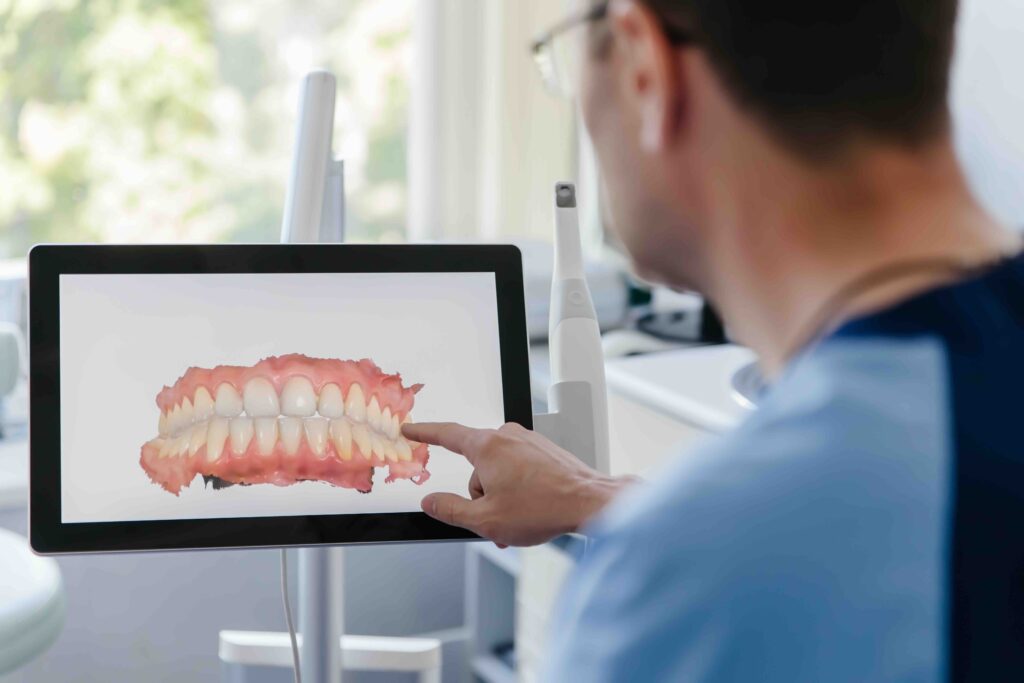
Dental implants are often described as a replacement for missing teeth, but that shorthand misses the real question patients ask in the consultation room. They usually want to know whether implants will work for them, at their age, with their health history, bone levels, medications, and expectations. Age matters, but not in the simple way many people assume.
Some patients think they are too young and that an implant should wait. Others assume they are too old and have missed their chance. In practice, chronological age is only one piece of the assessment. What matters more is whether the jaw has finished developing, whether the bone and gums can support an implant, and whether the person can heal predictably after surgery. I have seen healthy people in their seventies and eighties do beautifully with implants, while younger adults sometimes need to pause because jaw growth is not complete or because gum disease has not been brought under control.
That is why dental implant candidacy is best understood through life stages, not just birthdays. The same implant can behave very differently in a 17 year old whose facial growth is still active than in a 68 year old who has stable bone but takes medications that affect healing. A careful evaluation connects age with anatomy, health, and long term maintenance.
Age is a factor, not a verdict
An implant is a small titanium or ceramic post placed in the jawbone to support a crown, bridge, or denture. For it to succeed, the surrounding bone must integrate with the implant surface, a process called osseointegration. That process depends on more than age. Bone quality, blood supply, gum health, bite forces, smoking status, diabetes control, immune function, and oral hygiene all influence the outcome.
When people ask, “Am I too old for Dental Implants?” the answer is often no. When they ask, “Am I too young?” the answer is more nuanced. Implants do not erupt or shift with growing jaws the way natural teeth can adapt. If an implant is placed before facial growth is complete, it may end up looking shorter or sitting lower than neighboring teeth as the rest of the mouth continues to develop. That mismatch can create both aesthetic and bite problems.
So while age alone does not decide candidacy, it strongly shapes which risks matter most.
The teenage years and early adulthood
Teenagers can lose teeth for many reasons, including sports injuries, congenitally missing teeth, severe decay, or developmental conditions. Families often hope for a permanent fix as soon as possible, especially if the missing tooth is in the front. It is understandable. A single missing front tooth can affect speech, confidence, school photos, and social life. Yet this is the age group in which dentists and oral surgeons are usually most cautious with implants.
The key issue is skeletal growth. Even if a teenager looks physically mature, the upper and lower jaws may still be changing. Girls often complete growth earlier than boys, but there is no universal birthday that guarantees readiness. Wrist radiographs, cephalometric analysis, serial records, and overall growth patterns can help, but judgment matters. A 16 year old may be close to completion in one case and clearly not ready in another.
For a missing tooth in a growing patient, temporary solutions often make more sense. A bonded retainer with a pontic, a removable flipper, or orthodontic space management can preserve appearance and function until the time is right. Families sometimes feel frustrated by this delay because implants sound more definitive. Still, waiting can prevent years of complications.
I remember a case discussed in a study club involving a young patient who received an anterior implant too early elsewhere. Initially, the result looked acceptable. By the early twenties, the adjacent natural teeth had continued erupting subtly with jaw development, while the implant remained fixed. The crown began to look tucked up under the gumline compared with the neighboring teeth. Correcting that kind of discrepancy is far harder than delaying treatment would have been.
Young adults in their twenties are often excellent implant candidates once growth is complete. They usually heal well, their bone quality is often favorable, and they may have decades of function ahead. At the same time, this age group should think carefully about long term maintenance. An implant placed at 25 may need a crown replacement later in life, and the gum architecture around it must be monitored for many years. “Permanent” does not mean “never needs attention.”
The thirties and forties, often the most straightforward years
For many patients, the thirties and forties are the most predictable years for implant treatment. Jaw growth is complete, health is often stable, and many people have enough bone to support an implant unless the tooth has been missing for a long time. This is the age range where lost teeth from fracture, failed root canals, advanced decay, or gum disease are commonly replaced with Dental Implants.
Even here, age intersects with timing. A person who loses a molar at 34 and replaces it within a few months may need a relatively simple implant placement. A person who lost that same molar at 24 and waited a decade may arrive with significant bone shrinkage and drifting of adjacent teeth. The older the extraction site, the more likely the anatomy has changed. That is not a reason to give up, but it may mean bone grafting, sinus lift procedures in the upper back jaw, or orthodontic correction before implant placement.
Pregnancy sometimes enters the conversation in this age group. Pregnancy itself does not disqualify someone from future implant treatment, but elective implant surgery is usually postponed during pregnancy unless there is an urgent reason to proceed. Planning treatment around family schedules, breastfeeding, and recovery time is part of good care, and it rarely gets mentioned in generic online advice.
The fifties and sixties, where medical history starts to matter more
By the fifties and sixties, many people begin considering implants after years of patchwork dentistry. Perhaps a bridge has failed, a back tooth cracked after multiple fillings, or a denture has become frustrating. This is also the age when health history takes up more space in the decision than it often did earlier.
High blood pressure alone is usually not a major obstacle if it is controlled. Type 2 diabetes can be compatible with successful implant treatment, especially when blood sugar is well managed. Mild osteoporosis does not automatically rule out implants either. But details matter. A patient with poorly controlled diabetes, heavy smoking habits, active periodontal disease, and several loose teeth is not the same candidate as a healthy nonsmoker of the same age with one fractured molar.
Medication review becomes essential here. Drugs used for osteoporosis and some cancer treatments can affect bone remodeling and healing, particularly certain antiresorptive medications. That does not mean every patient on these medications is unsuitable for implants, but it does mean the dentist may need physician input, a more cautious plan, or an alternative approach.
People in this age group often ask whether healing takes longer than it does for younger adults. Sometimes it does, but the difference is usually not dramatic if overall health is good. What changes more noticeably is the margin for error. Gum inflammation, clenching, dry mouth from medications, or inconsistent home care can have a greater impact than they did years earlier.
The seventies and beyond, often better candidates than they expect
Many older adults assume they have aged out of implant treatment. That belief is common, and it is often wrong. Some of the most appreciative and committed implant patients are in their seventies or eighties. They want to chew comfortably, keep a lower denture from floating, or avoid the social and dietary compromises that come with unstable teeth. If they are medically stable and able to maintain the restorations, implants can be highly worthwhile.
In older patients, the conversation shifts from “Can an implant integrate?” to “What treatment design best matches this person’s goals and resilience?” A healthy 78 year old who walks daily, takes a few routine medications, and keeps regular dental visits may be a stronger candidate than a 52 year old with uncontrolled periodontal disease and heavy tobacco use. Biology does not always follow stereotypes.
At the same time, treatment should stay proportionate. Not every older adult needs a full mouth reconstruction. Sometimes two well placed implants to stabilize a lower denture change daily life far more than an elaborate fixed solution would. Simplicity can be a strength. Shorter surgeries, fewer appointments, easier hygiene access, and lower maintenance burden often make sense.
When evaluating older patients, clinicians pay close attention to dexterity, vision, cognitive status, and caregiver support. An implant restoration that is impossible for the patient to clean consistently may fail, even if the surgery itself goes well. The best plan is not the most impressive one on paper. It is the one the patient can live with successfully.
Bone quality changes with age, but it is not the whole story
Bone density and architecture do tend to change over time. After a tooth is lost, the jawbone in that area begins to resorb because it no longer receives the same functional stimulation. That process can be more advanced in older adults simply because more time has passed since extraction. The back upper jaw can also present thinner bone and proximity to the sinus, while the lower jaw may become narrower over time.
Still, reduced bone volume does not automatically block implant treatment. Modern grafting techniques, socket preservation after extraction, sinus augmentation, and careful implant selection have expanded what is possible. The important distinction is between “possible” and “advisable.” A procedure may be technically feasible but unnecessarily extensive for a patient’s health, budget, or goals.
This is where realistic planning matters. An implant candidate does not need perfect bone, perfect gums, and perfect health. Few people have all three. The question is whether the available foundation is sufficient, or can be made sufficient, with a level of treatment burden that makes sense.
Gum health matters at every age
One of the most overlooked points in implant discussions is that implants do not cure gum disease. In fact, patients who have lost teeth because of periodontal disease may carry a higher risk of inflammation around implants if the underlying bacterial and maintenance issues are not controlled.
This is relevant across all ages, but it often becomes more significant later in life because periodontal damage accumulates slowly. A 60 year old seeking Dental Implants after years of gum problems may first need periodontal therapy, better home care, and a period of stability before implant placement is wise. Skipping that step can lead to peri implant disease, bone loss, and disappointment.
A patient once put it well during a consultation: “I thought the implant would replace the bad tooth and end the problem.” That is a common misunderstanding. An implant can replace a tooth, but it still lives in gum tissue and bone that Dental Implants require ongoing care. The patient’s habits come with them.
Healing capacity, surgery tolerance, and recovery
Age can affect healing, but usually in indirect ways. Older adults are more likely to take multiple medications, have reduced saliva, heal more slowly after oral surgery, or carry conditions that complicate infection control. Yet many recover very smoothly because the surgery is planned conservatively and the medical picture is well understood.
Younger patients generally heal faster, but they are not immune to setbacks. Smoking, vaping, poor plaque control, untreated bruxism, and unrealistic expectations can derail outcomes in any decade of life. I have seen healthy younger adults struggle more in recovery because they resumed hard exercise too soon or ignored dietary guidance, while older adults followed every instruction and sailed through.
Certain practical questions often reveal more than age does. Can the patient keep follow up appointments? Can they avoid pressure on a healing denture when instructed? Do they understand that integration takes time? Can they clean around the final restoration effectively? Those answers often predict success better than birth year alone.
What dentists actually look for when assessing candidacy
When clinicians evaluate whether someone is a candidate for Dental Implants, they are piecing together a full picture rather than checking a single box.
- completed jaw growth, especially in younger patients
- enough bone volume and favorable anatomy, or a realistic path to grafting if needed
- healthy gums or a manageable periodontal condition
- medical stability, including thoughtful review of medications and healing risks
- willingness and ability to maintain the implant long term
Notice that only the first point is strictly age dependent. The rest are influenced by age, but not determined by it.
Different ages, different treatment goals
A 19 year old missing one front tooth after trauma often wants a result that disappears completely into the smile line and lasts for decades. A 43 year old who lost a first molar may care most about protecting adjacent teeth and chewing comfortably again. A 67 year old may want to replace a failing bridge without involving more natural teeth. An 81 year old may simply want a lower denture that stops lifting during meals.
These are not small distinctions. Treatment design should reflect them. The best implant plan for a younger patient may prioritize soft tissue contour, future crown replacement, and preserving every possible millimeter of bone. For an older patient, the most successful plan may be the one that reduces surgical burden, lowers maintenance demands, and improves daily function quickly.
That is one reason online age cutoffs are so misleading. A website might state that implants are “ideal” between certain ages, but candidacy is far more individual than that. Dentistry happens in specifics.
When age really does change the recommendation
There are situations where age directly changes the advice. A few of the most common are worth noting clearly.
- In adolescents and some young adults, ongoing jaw growth may make implant placement premature.
- In medically frail older adults, the burden of surgery may outweigh the likely benefit.
- In patients of any age with severe cognitive decline or inability to maintain hygiene, simpler options may be safer.
- In very elderly patients with advanced bone loss, unstable health, or limited life expectancy, treatment may shift toward comfort and function rather than comprehensive reconstruction.
These are not judgments about worthiness or potential. They are clinical decisions about predictability, safety, and quality of life.
The role of bone grafting across the lifespan
Bone grafting often sounds intimidating to patients, particularly older ones, but age alone does not predict whether a graft will be needed. Timing of tooth loss is often more important. A 35 year old with a tooth missing since adolescence may need more grafting than a 72 year old who lost a tooth six months ago.
What does change with age is the tolerance for more extensive staging. A younger patient may accept extraction, grafting, implant placement, and later restoration if it creates the best long term result. An older patient may reasonably prefer fewer surgical steps, even if that means choosing a removable solution or a simpler implant design. Neither choice is inherently better. It depends on priorities.
Expectations can be age specific too
Younger patients sometimes expect an implant to feel and behave exactly like the natural tooth they lost. It can come very close, but it is not identical. There is no periodontal ligament, so the sensory feedback differs. Maintenance is lifelong. Crown materials can chip or wear. The tissue around the implant can change with time.
Older patients, on the other hand, sometimes underestimate how much improvement implants can bring. Someone who has tolerated a loose lower denture for years may be astonished by what two implants can do for stability, speech, and confidence at meals. The challenge here is not curbing expectations, but helping patients see what is realistically achievable.
The most productive implant consultations are the ones where age informs the discussion without dominating it. Instead of asking only, “How old are you?” the better questions are, “What are you hoping to restore?” “How healthy is the mouth right now?” “What level of treatment makes sense for your life?” and “Can we maintain the result over time?”
The bottom line patients should take seriously
If there is one practical lesson here, it is this: age should prompt better planning, not automatic assumptions. Being young does not always mean “go ahead now,” and being older does not mean “too late.” The successful use of Dental Implants depends on growth status, bone and gum condition, overall health, bite forces, and the ability to care for the result.
For teenagers and younger adults, patience is often the smartest form of treatment. For middle aged adults, timing and preservation of bone become central. For older adults, medical context and treatment burden deserve more attention, but implants remain very much on the table. In every age group, the right answer comes from a thorough exam, imaging, and an honest conversation about goals and trade offs.
A well planned implant can serve a patient for many years. A poorly timed or poorly matched one can create avoidable problems. Age helps frame that decision, but it never tells the whole story.
Oaks Dental
5000 Parkway Calabasas Suite 308
Calabasas, CA 91302, United States
+1 818-431-2000
FAQ About Dental Implants
What is the downside of a dental implant?
Implants require surgery and a healing period that can last several months. Possible complications include infection, nerve or sinus injury, damage to nearby teeth and failure to bond with bone. Your dentist should assess your health, bone support and alternatives before recommending treatment.
What do dental implants typically cost?
There is no single price for every implant case. The number of teeth replaced, implant components, final restoration and any grafting or extractions affect the total. Request a written estimate covering every stage and confirm insurance benefits and out-of-pocket costs with the practice.
How long do tooth implants last?
An implant can provide long-term support and may last a lifetime with good oral hygiene and regular dental care, but this is not guaranteed. The crown or other restoration may need replacement sooner. Smoking, gum disease and some health conditions can reduce implant success.