29 September 2026
Multiple Tooth Replacement With Dental Implants Calabasas CA
Presented by @messiahwkhc733
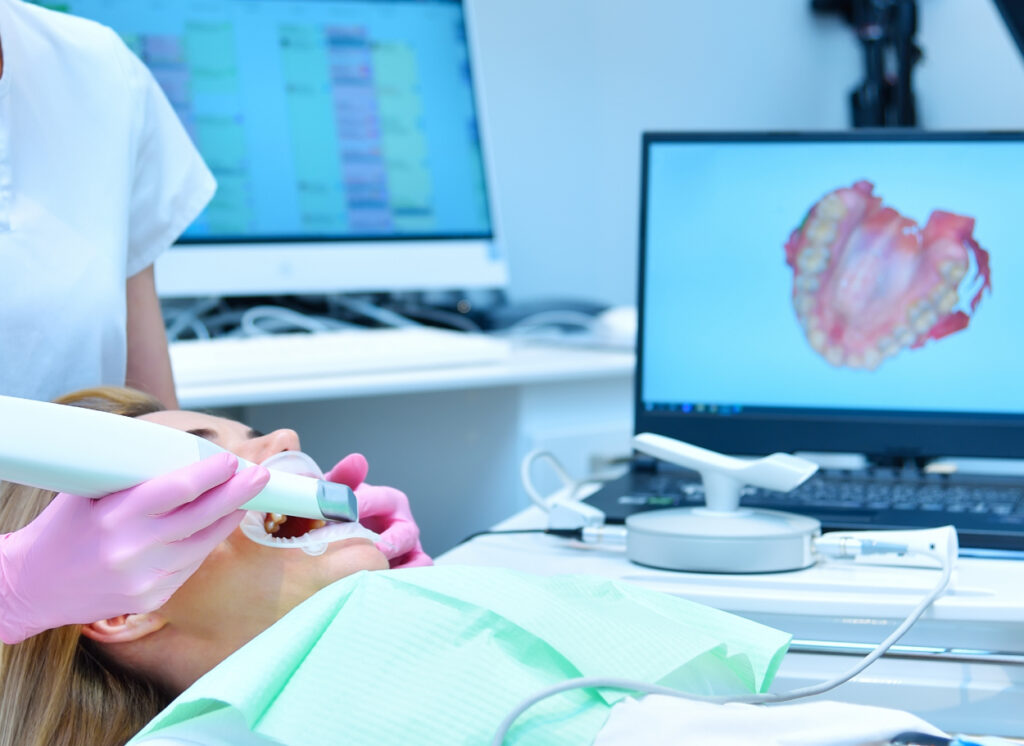
Losing more than one tooth changes daily life in ways people rarely expect at first. Chewing shifts to one side. Certain foods become work. Speech can feel slightly off, especially when front teeth are missing. Over time, the gap affects confidence as much as function. Patients often tell me they first noticed the problem in small moments, smiling in photos, avoiding steak, covering their mouth when laughing, or realizing their remaining teeth had started to drift.
When several teeth need to be replaced, the treatment conversation becomes more nuanced than it is with a single missing tooth. There is no one-size-fits-all answer. The best option depends on where the teeth are missing, how much bone remains, the health of the gums, bite forces, medical history, and what the patient wants life to feel like five or ten years from now. In many cases, dental implants offer the most stable and natural-feeling solution. For patients researching Dental Implants Calabasas CA, understanding the differences between replacing one tooth, several teeth, or a full arch can make the next appointment far more productive.
Why multiple missing teeth deserve a different approach
A single missing tooth can sometimes be managed with a straightforward implant and crown. Multiple missing teeth require a broader view. The bite has to be balanced. The spacing has to be planned carefully. The restoration must distribute force without overloading the implants or the surrounding bone. If those details are ignored, even attractive dental work can become uncomfortable, hard to clean, or prone to complications.
There is also the question of what is missing. Some patients have several teeth lost in a row. Others have gaps in different parts of the mouth. Those two situations may look similar to a patient peering into the mirror, but they often call for very different treatment designs. A bridge supported by implants may work beautifully in one area, while separate implants may be smarter elsewhere. In the back of the mouth, where chewing forces are strongest, support and spacing matter even more.
Another issue is timing. If the teeth were lost years ago, bone loss may have already progressed. The jawbone needs stimulation to maintain volume, and tooth roots used to provide that stimulation. Once roots are gone, the body slowly resorbs bone in that area. Dentures and conventional bridges can restore appearance and some function, but they do not replace the root itself. Implants do.
What dental implants actually replace
A dental implant is a small post, usually made of titanium or a similar biocompatible material, placed in the jawbone where the tooth root used to be. After healing, that implant supports a crown, a bridge, or in some cases a larger full-arch prosthesis. For multiple teeth, implants can be used in strategic positions to support several replacement teeth without needing an implant for every single missing tooth.
That point matters because patients often assume four missing teeth require four implants. Sometimes that is true. Often it is not. If the missing teeth are adjacent, two or three well-placed implants may be able to support a fixed bridge. That can preserve function, reduce cost, and simplify treatment while still giving a highly stable result.
Done well, implant-supported restorations feel more like natural teeth than removable options do. They do not rely on clasps. They do not slip while speaking. They do not press on the gums in the same way a removable partial denture can. For many people, that shift from a removable appliance to a fixed one is the moment they feel like themselves again.
The most common ways to replace several teeth
When multiple teeth are missing, treatment usually falls into one of a few broad categories. The details vary, but these are the designs most patients discuss with their dentist or specialist:
- Individual implants for each missing tooth when spacing, bone, and budget allow.
- An implant-supported bridge when several neighboring teeth are missing in a row.
- A removable partial denture when surgery is not appropriate or a lower-cost option is needed.
- A full-arch implant solution when most or all teeth in one jaw are failing or missing.
Each option has trade-offs. Individual implants can mimic natural tooth replacement very closely, but they require more surgery and often more cost. An implant bridge reduces the number of implants while still offering fixed support, though it requires careful design to keep the bridge cleanable. A removable partial can restore appearance and some chewing ability without surgery, but many patients find it less stable and less comfortable over time. Full-arch treatment can be life-changing when the remaining teeth are beyond saving, but it is a bigger decision and should be planned with care.
When an implant bridge makes more sense than separate implants
For a patient missing three teeth in a row, placing three separate implants may sound ideal, but it is not always the best approach. If the bone between the sites is narrow, if there are space limitations, or if the anatomy includes nearby nerves or sinus cavities, Dental Implants Calabasas CA two implants supporting a three-tooth bridge may be more predictable. It can also be easier to shape the gumline and maintain the final restoration when the bridge design is planned properly.
This is one of those situations where experience matters. A treatment plan should not be based on a slogan or a sales pitch. It should come from the actual anatomy. I have seen cases where someone was told they needed an implant for every missing tooth, only to learn later that a simpler bridge-supported design would have served them just as well. I have also seen the opposite, where too few implants were used in a high-force area and the restoration carried more stress than it should have. Neither extreme is ideal.
The right number of implants is the number that gives you a stable, cleanable, durable result without unnecessary intervention. That is the standard worth aiming for.
The planning stage matters more than most patients realize
Implant treatment succeeds or fails long before the restoration is delivered. The planning phase is where the real work happens. A proper evaluation usually includes a clinical exam, detailed imaging, a review of medical history, and a close look at how the upper and lower teeth come together. In many practices, a cone beam CT scan is used to assess bone height, bone width, sinus position, and the location of nerves.
This is also the stage where habits and risk factors need to be discussed honestly. Smoking, uncontrolled diabetes, active gum disease, and nighttime grinding can all affect implant success. None of these automatically rules out treatment, but they change how the case should be managed. A heavy grinder, for example, may need a sturdier prosthetic design and a night guard after treatment. A patient with periodontal disease may need the gums stabilized before any implants are placed.
Good planning also means discussing appearance, not just mechanics. Replacing multiple front teeth is very different from replacing back molars. In the front, the exact position of the implants and the contour of the gums can make a major difference in the final smile. In the back, strength and load distribution tend to dominate the conversation. Both matter, but the emphasis shifts depending on the region.
Bone grafting, sinus lifts, and other procedures people worry about
One of the first concerns many patients raise is whether they will need additional procedures before implants can be placed. Sometimes the answer is yes. If bone has thinned after years of tooth loss, grafting may be recommended to build a more secure foundation. In the upper back jaw, the sinus can limit available bone height, and a sinus augmentation may be part of treatment.
These procedures sound intimidating when read online, but in experienced hands they are routine parts of implant dentistry. They do add time, and they may add cost, but they often make the difference between a compromised plan and a durable one. The key is understanding why they are being recommended. If a dentist says you need a graft, ask what it will accomplish, how much bone is currently present, and whether there are alternative designs that could reduce the need for it.
Some patients are candidates for immediate implant Dental Implants Calabasas CA placement, where the implant is placed the same day a tooth is removed. Others benefit from a healing period before implant placement. Neither approach is universally better. Immediate placement can shorten treatment and preserve tissue contours in selected cases, but it requires favorable anatomy and careful case selection. Delayed placement may be safer when infection is present or bone support is less than ideal.
What treatment feels like in real life
Most people expect implant treatment to be far more dramatic than it actually is. For multiple implants, there may be some swelling, soreness, and a few quieter days after surgery, but many patients are surprised by how manageable it is with local anesthesia, appropriate medication, and a sensible recovery plan. The more significant adjustment often comes from the timeline, not the discomfort.
Healing is usually measured in months, not days. After implant placement, the bone needs time to integrate with the implant surface. That process varies by patient and by site, but it is not something anyone should want to rush. In straightforward cases, the restoration phase may begin after a few months. In more complex cases involving grafting or larger reconstructions, the full process may take longer.
Temporary teeth may be part of the plan, especially in visible areas. That can help patients function socially and professionally while the implants heal. The temporary phase also gives the dentist useful information about speech, bite, and appearance before the final work is made. In practice, that trial period can be very valuable. It is easier to refine shape and position before the definitive restoration is delivered than after.
Cost, longevity, and what value really means
Implants are not the cheapest way to replace multiple teeth. That much is true. But cost should be weighed against lifespan, comfort, maintenance, and the effect on neighboring teeth. A traditional bridge usually requires adjacent healthy teeth to be reshaped for crowns. An implant-supported restoration often avoids that. Over the long term, preserving intact teeth has real value.
Longevity depends on many variables, including home care, gum health, bite forces, materials, and the quality of planning and execution. Well-maintained implants can function for many years, but they are not maintenance-free. Patients sometimes hear the word implant and assume permanence without effort. That is not realistic. The implant itself does not decay, but the tissues around it can become inflamed if plaque control is poor. The prosthetic components also experience wear. Screws can loosen. Porcelain can chip. Night grinding can shorten the life of restorations if not addressed.
A better way to think about implants is this: they are a long-term foundation that still needs stewardship. Patients who understand that tend to do very well.
How implant-supported teeth compare with removable partial dentures
There are cases where a removable partial denture is a perfectly reasonable choice. It may be indicated when surgery is not advisable, when budget is limited, or when the patient wants a shorter and simpler treatment path. A well-made partial can improve appearance and restore a meaningful amount of function.
Still, the differences are significant. Removable partials often depend on metal clasps or support from remaining teeth and gums. They can move slightly during chewing. Food may collect underneath. Some patients adapt quickly, while others never quite accept the sensation. In contrast, implant-supported replacements are fixed and generally feel more secure.
That said, not every patient values the same things. One person will care most about having a non-removable solution. Another will prioritize lower upfront cost. Another may want the least invasive option possible because of medical concerns. A professional recommendation should account for those priorities rather than steamrolling them.
Questions worth asking at a consultation
A productive consultation is not about being sold dentistry. It is about understanding the case clearly enough to make a decision with confidence. Patients exploring Dental Implants Calabasas CA often benefit from bringing a short set of focused questions, especially if they are comparing practices.
- How many implants do you recommend, and why that number?
- Will I need grafting or sinus treatment before implants are placed?
- What will I wear or use while the implants are healing?
- How will this restoration be cleaned and maintained long term?
- What risks or limitations are specific to my case?
Those questions tend to move the conversation beyond marketing and into substance. A good clinician should be able to answer them plainly, using your scans and exam findings to explain the plan.
The importance of maintenance after treatment
Once multiple teeth have been restored with implants, the job is not finished. Maintenance becomes the next phase of success. Patients need to clean around bridges and implant-supported restorations carefully, sometimes with tools they have never used before, such as floss threaders, interdental brushes, or a water flosser. The exact routine depends on the design of the prosthesis. A bridge that looks beautiful but cannot be cleaned well is not a smart long-term result.
Professional maintenance matters too. Regular exams allow the team to monitor tissue health, bite changes, and wear. This is particularly important for patients with a history of gum disease or strong clenching habits. Minor issues are much easier to solve when they are found early. A small bite adjustment or a worn night guard replacement can help protect a significant investment.
I have seen patients keep implant restorations functioning beautifully for many years because they respected maintenance from the start. I have also seen neglect create preventable problems. The difference was rarely luck. It was usually attention.
Choosing the right provider in Calabasas
For anyone considering multiple tooth replacement, the quality of diagnosis and execution matters at least as much as the hardware used. Implant brands, digital scans, and in-house technology can be helpful, but they are not substitutes for judgment. A provider should be able to explain why a specific design fits your anatomy, your bite, and your priorities.
It is worth looking for a practice that pays close attention to planning, photographs, imaging, provisional stages when needed, and communication about maintenance. Cases involving several missing teeth often benefit from coordination between a restorative dentist, an oral surgeon, a periodontist, or a lab team with strong implant experience. That collaboration is not a sign of complication. Often, it is a sign that the case is being taken seriously.
Patients seeking Dental Implants Calabasas CA are often balancing aesthetics with practicality. In a community where appearance matters, it is easy to focus on the visible result alone. The better approach is to expect both: a restoration that looks natural and one that functions reliably at dinner, in conversation, and on an ordinary Tuesday when no one is admiring your smile.
A thoughtful replacement can change far more than your bite
Replacing multiple teeth is not just a repair. It is a structural decision that affects comfort, nutrition, speech, facial support, and confidence. Dental implants can be an excellent option because they address the missing root as well as the visible crown, helping preserve bone and restore a stable foundation. But the real benefit comes from using them thoughtfully, with a design matched to the individual case.
For some patients, that means two implants supporting a bridge. For others, it means several individual implants. For others still, it means recognizing that a removable option or a staged plan is the wiser path for now. The best treatment is not the most aggressive or the most expensive. It is the one that is biologically sound, maintainable, and realistic for the person living with it.
When the plan is right, multiple tooth replacement does more than fill spaces. It gives people back ease. They eat without thinking so much. They smile without editing themselves. They stop compensating. That is usually the moment patients realize they did not just replace teeth. They restored part of daily life.
Oaks Dental
5000 Parkway Calabasas, Suite 308
Calabasas, CA 91302, United States
Phone: +1 (818) 412-8349
FAQ About Dental Implants Calabasas CA
How much does a dental implant cost in California?
Costs vary with the number of teeth replaced, restoration type, imaging, and any extractions or bone grafting. Request an itemized estimate after an examination; a single advertised price may not include every treatment stage.
Can people with autoimmune disease get dental implants?
Some people may qualify, but the condition, medications, oral health, and healing risks require individual assessment. Share your medical history with your dentist, who may coordinate with your treating physician.
Can you have dental implants if you have osteopenia?
Osteopenia does not by itself establish whether implants are suitable. Your dentist must evaluate jawbone support and review bone-related medications and other risks before recommending treatment.